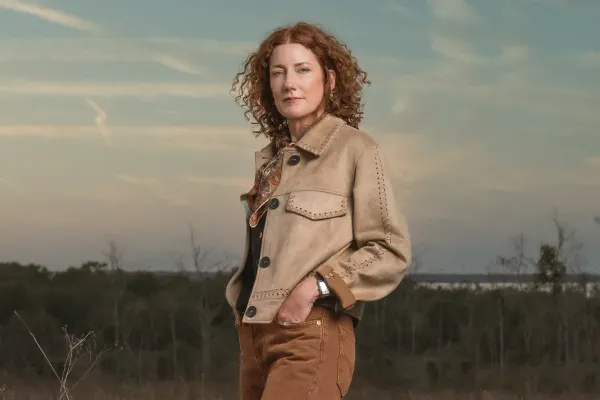
Victorian Gothic is the New Black
An article written in 2017 for The Z Review in New York. Who knew there would be another Wuthering Heights inside a decade? Hammer Films is also coming back.

I have read the first ever gothic novel, The Castle of Otranto by Horace Walpole. It's not much, really, looking back from our point in history. I only bought it because someone told me it was the first gothic novel, and it is. But that doesn't make it great.
Otranto was published in 1764, which means it is not Victorian and mercifully escapes consideration here. Why should you care about Victorian Gothic literature? Because it is very topical, and about to experience a resurgence. I have nothing to base this on other than being an avid reader, writer and reviewer of books of all kinds.
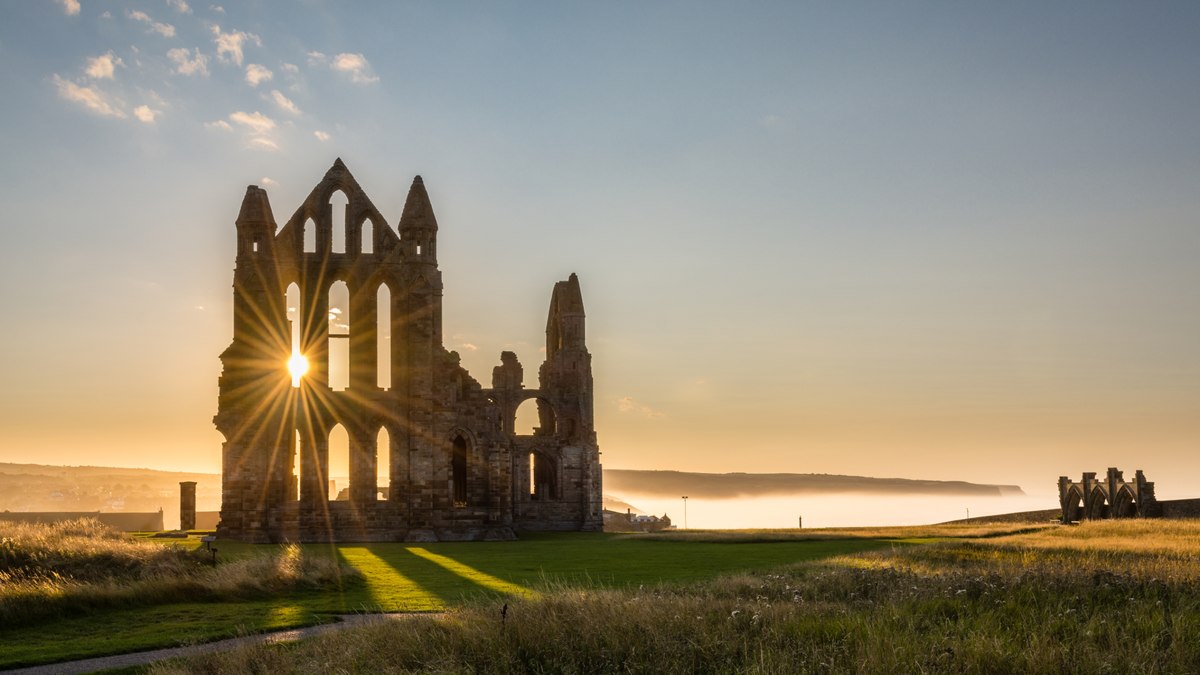
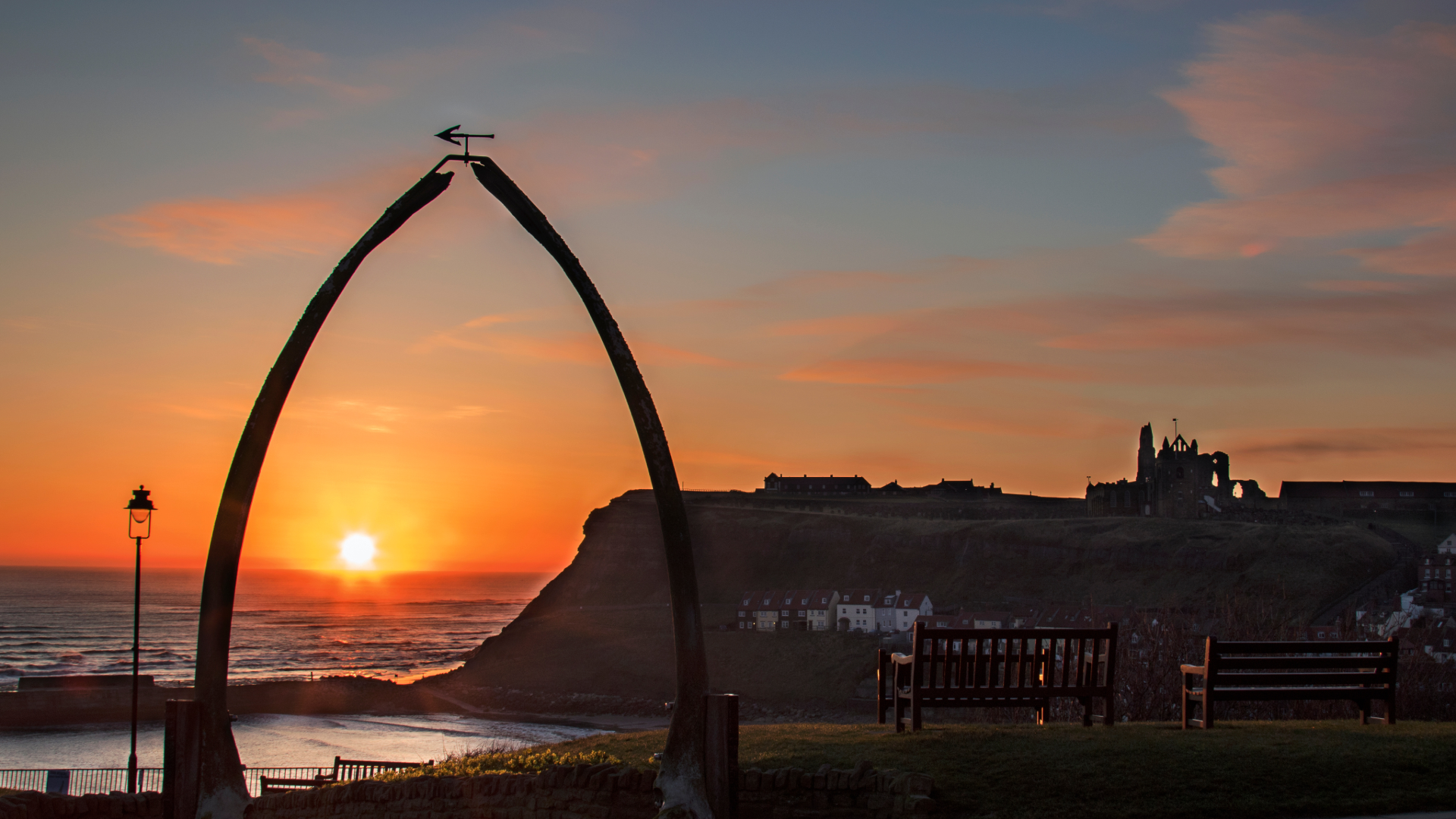
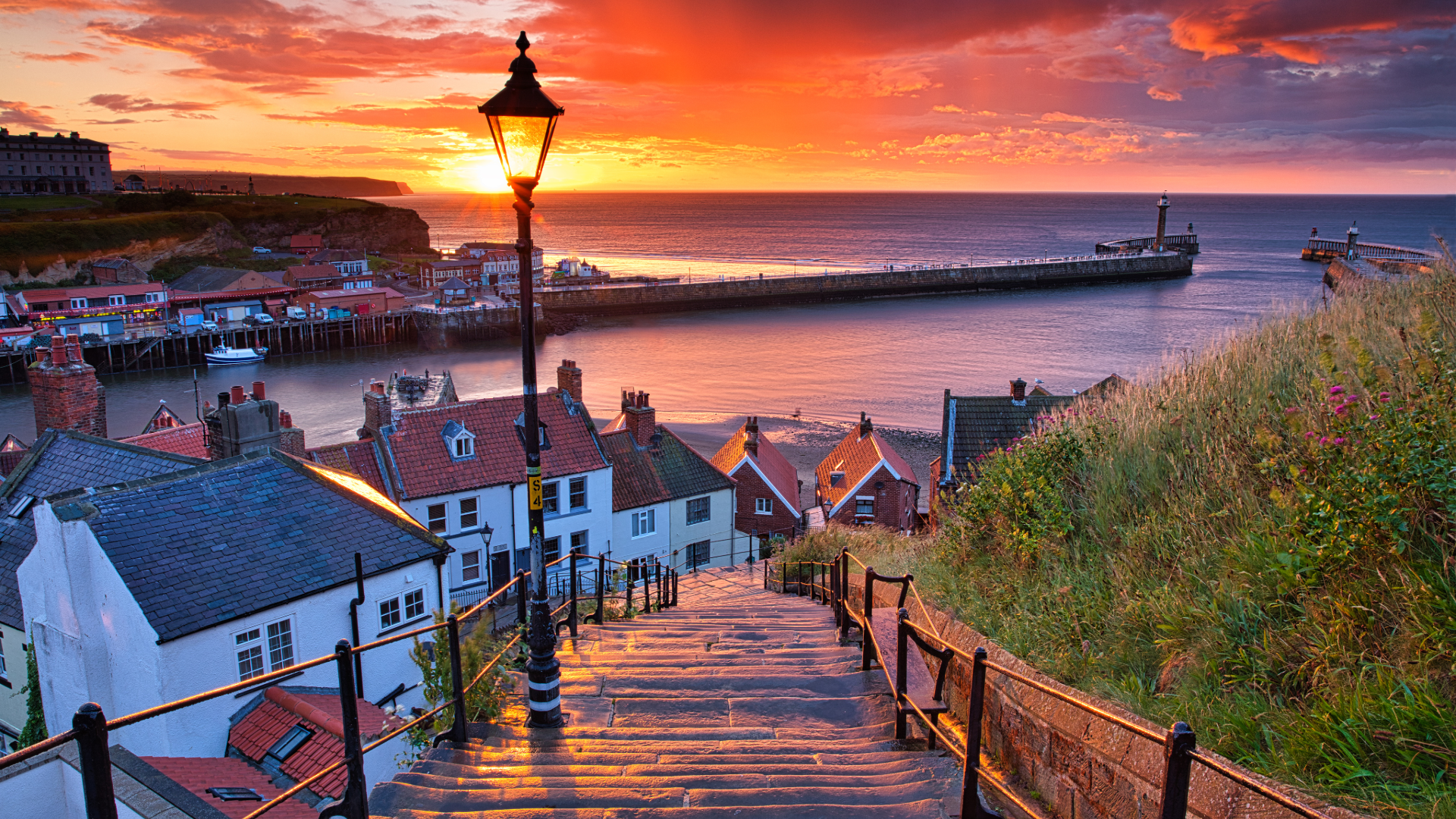
The very best gothic novel, and it is truly Victorian, is Bram Stoker's Dracula. It was Stoker's fifth of his twelve novels, and the only one that is still widely read and remembered. It is famous for all kinds of reasons. It is not a straight novel but a collection of diaries and letters, a so-called epistolary story. It heavily features Whitby, a fishing town in North Yorkshire, England, that still trades off its Stoker connections today. Who can forget that amazing natural theatre up on the headland, in the graveyard of St. Mary's Church, next to the ruin of the abbey?
In Britain, gothic hit the big time again in the 1950s when Hammer Films of Bray, in Berkshire, began churning out a vast number of gory gothic howlers. Featuring legends such as Sir Christopher Lee, Peter Cushing and busty lovelies such as Barbara Shelley. Their 1950s exploits were made possible by a new X certificate for cinematic films which Hammer strategically profited from for a quarter of a century.
In 2007, the franchise was revitalised by a Dutch entertainment entrepreneur who is most famous for inventing the Big Brother format. What Hammer did back in its heyday was supremely modern. It made vast sequences of films, especially those based on Frankenstein and Dracula, which kept their addicted fans queuing up for more. This is remarkably similar to the box set binge made famous by Netflix.
Strangely enough, by the time Victoria reached the throne, the romantic gothic was fading out. Its prime was firmly behind it across Europe, as people like Sir Walter Scott developed the historical romance. However, it might have been slipping from prime time, but the very best gothic stories were yet to be written. In many ways, it was just hitting its stride.
After Dracula, my all-time favourite of the genre is Emily Bronte's Wuthering Heights. Made famous for children of the 1980s by pouting songstress Kate Bush, it was a very dark tale set, you won't be surprised to learn, in Yorkshire.
Dickens himself was a huge fan of the gothic, and wove elements into some of his most famous works such as Bleak House. Then they come thick and fast. Jekyll and Hyde, The Picture of Dorian Gray, Trilby, The Turn of the Screw, with Dracula rounding out the century in 1897.
One of America's foremost practitioners was H. P. Lovecraft. Not well known in Britain, his influence is perhaps felt more through his incessant letter writing. Psycho author Robert Bloch was one of Lovecraft's correspondents, as was Conan The Barbarian creator Robert E. Howard. Most famously, of course, his ideas pushed Stephen King to a life of horror.
Although the gothic and horror do not necessarily always go together, sooner or later they intertwine. The Hound of the Baskervilles is one of Sherlock Holmes's best-loved adventures, and it has all the gothic hallmarks: the craggy, remote stately home, blood and gore, weird creatures human and otherwise. Yes, it is a yardstick of the genre.
Why, in the mid 2010s, should gothic horror be coming back? We have already seen examples in the excellent True Blood series and, even more recently, American Horror Story which has already run to seven seasons, with series eight and nine recently announced.
Everything runs in cycles, of course. But something has to trigger the cycle. If you take the view, as I do, that fiction and other forms of entertainment reflect as well as shape the public mood, then dark times call for dark stories. Not always. Some people prefer the light, the contrast to the shade. But not this writer. Some of us are always drawn to the night, and we don't need very much of an excuse to rummage under the bed.
Is it time for you to blow the dust off those old books, and give them another go?